
WHAT IS BULLYING?
What is bullying?
Bullying is a familiar word, but there is no single definition that everyone agrees on.
Researchers, young people, schools, governments, organisations, countries, regions and cultures have described bullying in different ways. Some definitions emphasise repetition. Others focus on power, intention, harm, fear, distress, exclusion or the ability to defend yourself. Some allow for a single incident. Others do not.
The Definition Wheel
The Definition Wheel brings 30 definitions together so you can explore those similarities and disagreements for yourself.
Spin it. Search it. Compare definitions. Question them. Decide what you think matters.
Explore the Wheel
The Wheel is there to be played with. Drag or flick it in either direction, give it a random spin, search for a person, organisation, keyword or year, or move slowly through the definitions in chronological order.
You can also pin two definitions and compare them, looking at what each clearly includes, what it suggests and what it leaves unstated. If you would rather not spin the Wheel, the same material is available through Timeline and List views.
There is no correct place to start.
Explore the Definition Wheel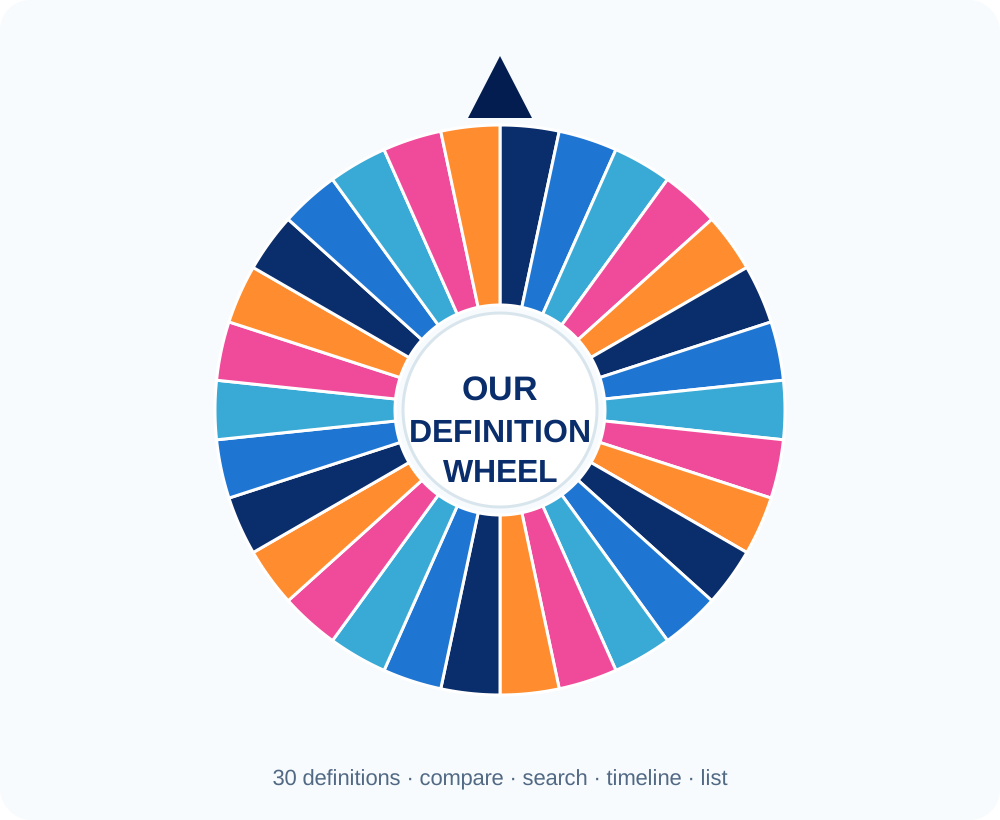
The Bullying Metro
Come on a journey through words, languages and meanings. Can we find out what bullying really means?
The Definition Wheel shows how definitions of bullying differ. The Bullying Metro asks a related question: what happens when the word itself changes?
Across languages and contexts, research uses many terms that overlap with bullying without meaning exactly the same thing. Some emphasise exclusion, humiliation, harassment, initiation, intimidation or violence. The Bullying Metro makes those connections visible without treating every term as a direct translation of the English word bullying.
Explore The Bullying Metro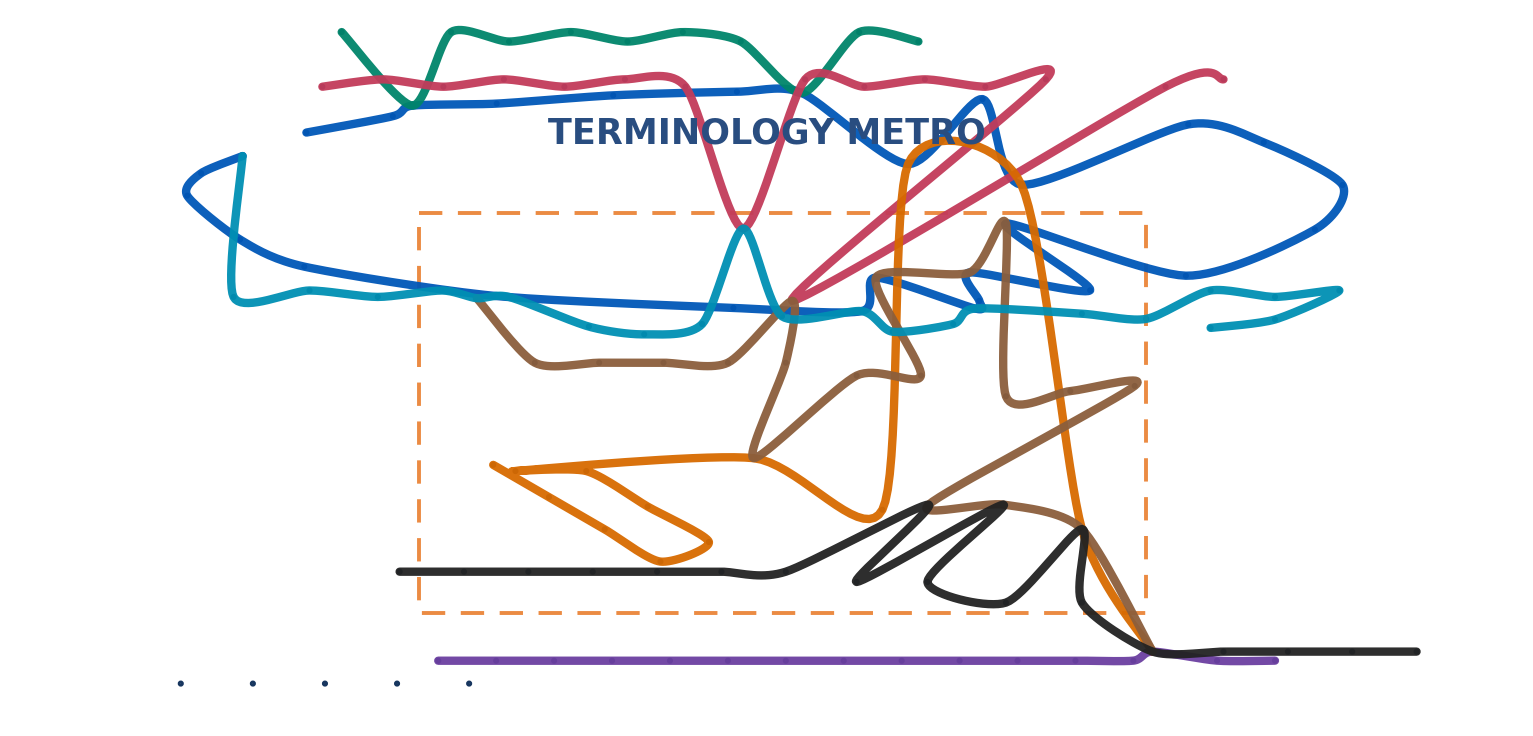
Why do definitions disagree?
Definitions do more than describe bullying. They can affect what people notice, what gets recorded and what action follows.
A definition that requires repeated behaviour may exclude something that another definition recognises as bullying. Requiring intention raises the question of how we know what somebody intended. Definitions centred on impact may recognise harm even when intent cannot be established.
Power is fundamental to some definitions and barely mentioned in others. Some concentrate on behaviour between individuals, while others make greater room for groups, exclusion, relationships or the wider social circumstances around what happened.
These are not simply differences in wording. They can change where the boundary around bullying is drawn.
The Wheel does not decide which definition is right. It lets you see the disagreement.
Repeated how?
Repetition is one of the ideas most often associated with bullying. But what exactly is being repeated?
Does the same person have to do the same thing several times? Could five people each do something once while the person on the receiving end experiences the harm again and again? Can a photograph, message or rumour become repeated because other people continue sharing it?
And can the fear of something happening again continue the bullying experience after the original action has stopped?
If one incident has serious and lasting consequences, does it cease to be bullying simply because it happened once?
Repeated how? is one of the questions running through the Wheel.
What about power?
Some definitions put an imbalance or abuse of power at the centre of bullying. But power is not always obvious.
It might come from physical strength, popularity, numbers, information, confidence, age, authority, technology or belonging to a dominant group. It may also arise because somebody has become isolated.
And it can change from one situation to another.
Is power something a person has, or something created by the situation around them?
Intention or impact?
Some definitions say bullying must be intentional. Others give greater weight to what the behaviour actually does to the person experiencing it.
That creates another difficult question:
If serious harm occurs but the person responsible says they did not mean it, what should matter most?
Understanding intention can be useful. Establishing another person's intention is not always straightforward.
The definitions on the Wheel deal with this differently.
Young people and definitions
Definitions do not belong only to academics, governments and organisations.
Young people also understand bullying through what they see, experience and notice in the relationships around them.
One definition on the Wheel was developed by Terry and Michelle in 2007 during research with young people:
“Bullying means to isolate, cause physical, verbal or emotional stress to one or more persons usually again and again.”
Their discussion raised an important challenge to a simple idea of repetition: different people might each do something once while the person experiencing it encounters the behaviour repeatedly.
That question remains relevant.
About this collection
The historical definitions and much of the comparative work behind the Definition Wheel draw on research undertaken for Andy Hickson's PhD, which examined definitions of bullying and explored how young people understood and experienced bullying.
That research has been revisited and expanded for AntiBullyingWeek.co.uk, including contemporary definitions from across the UK.
The purpose is not to produce another final definition.
It is to make the discussion visible.
Try it yourself
Got a few minutes? Spin the Wheel and read whatever appears.
Ask yourself what stands out, what the definition includes, what it might miss and whether you agree with it. Then spin again and see what changes.
If you want to take it further, try writing your own definition of bullying in 30 words or fewer.
Use it with a class or group
There are two simple ways to start:
- Spin, read, discuss. Spin once, explore what the definition emphasises and what it leaves out, then spin again.
- Definition versus definition. Pin one definition, find another and compare where they agree, where they differ and what each might recognise that the other misses.
A group could finish by creating its own working definition.
The aim does not have to be agreement. The interesting part may be discovering why agreement is so difficult.
How do I stop bullying?
There is no single strategy that works for every person or every situation. Explore practical ideas for widening the choices available, from talking and getting help to body language, self defence and online choices.
Explore ways to respondThirty definitions. Different times, different voices, different assumptions. Spin the Wheel and see where the questions take you.