
For young people, or with them?
Anti-bullying work is often created for young people. Adults choose the theme, write the materials, decide what the problem is and then decide what young people should do about it. Young people are invited to participate, but participation is not necessarily the same as having influence.
I’m Andy Hickson, founder of AntiBullyingWeek.co.uk, and after more than thirty years of working creatively with young people around bullying, I keep coming back to one question:
Do we make anti-bullying work for young people, or with them?
Young people often know first
Young people frequently know more about what is happening among their peers than adults do. They hear the language, see the relationships, know what happens online and often know where people feel safe and where they do not. They may recognise changes in friendships, behaviour or status long before an adult becomes aware that something is wrong. That does not mean young people always have the answer. It means that their knowledge matters and should be part of the conversation.
Participation or real influence?
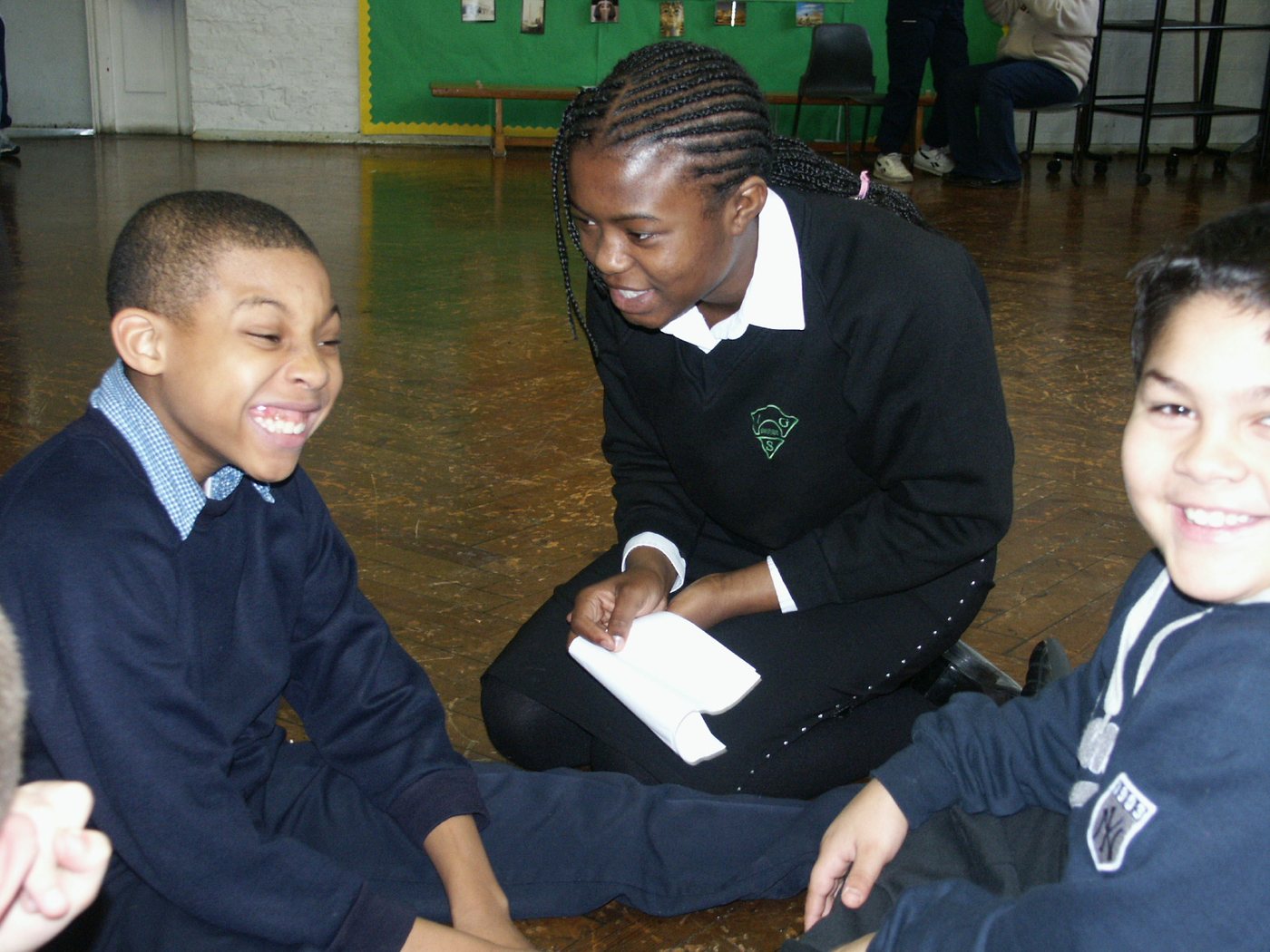
A young person can appear in an anti-bullying campaign without having helped shape it. They can attend a meeting without influencing a decision, or participate enthusiastically in an activity that somebody else designed entirely for them. For me, meaningful participation goes further. It asks young people what they think the problem is, what they want to change, what ideas they have and what role they would like to play.
Then there is another important question:
What changed because they were involved?
If the answer is very little, perhaps we need to question how much participation there really was.
Why I keep asking this question
This question has grown out of more than thirty years of working creatively with young people around bullying. It also became the central question of my PhD research, Can young people develop and deliver effective creative anti-bullying strategies?, completed at the University of Exeter in 2010.
In that research, a group of young people received training in anti-bullying, creativity, facilitation, leadership and group work. They then developed and delivered their own creative anti-bullying workshops to other young people. The important part for me was not simply whether young people could deliver a workshop successfully. It was what happened when adults stopped treating them only as recipients of anti-bullying work and gave them appropriate training, resources, responsibility and genuine space to influence what happened. They could do far more than receive an adult designed message.
Young people have already been doing this
There are many examples of young people taking meaningful roles in anti-bullying work.
At Acland Burghley School in London, young people were involved in early peer counselling and mediation approaches. Pupils became part of the support structure rather than relying entirely on adults to identify and respond to difficulties.
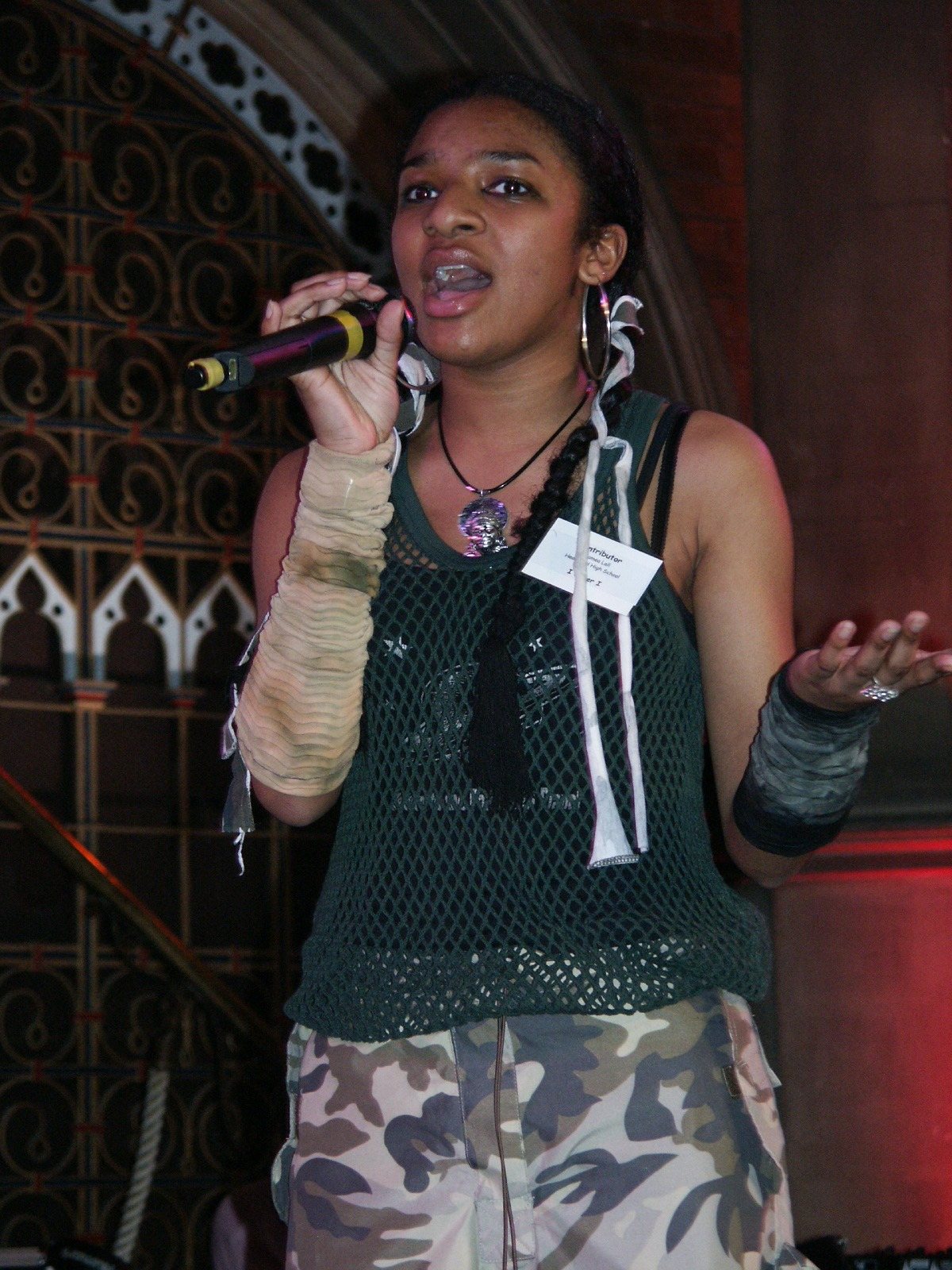
Actionwork also began creating opportunities for young people to meet one another and exchange anti-bullying ideas nationally and internationally. At the 2003 Actionwork national anti-bullying conference, young people participated not simply as an audience but as contributors, facilitators and speakers.
The Actionwork Million a Week conference in 2005 continued that approach, bringing young people together around anti-bullying ideas and activity on a national scale.
The Actionwork ipoweri international anti-bullying conference in 2006 created further opportunities for young people and practitioners to exchange ideas, lead activities and learn from one another.
And through the research project that became my PhD, young people were trained over an extended period, tested ideas and eventually created and delivered their own workshops.
Instead of asking them only: “What do you think of our programme?”
we were also able to ask: “What programme would you create?”
For me, that is a very different relationship.
From audience to contributor
There is no single model for involving young people. They might help decide what an Anti-Bullying Week should explore, review the language used in a school's anti-bullying policy, create films and performances, research what pupils think, design activities, identify places where people feel unsafe or help evaluate whether an intervention actually worked. The important point is not that every project gives young people the same role. It is that their contribution has meaning and that somebody is genuinely prepared to listen to what they say.
Peer support needs support
Working with young people does not mean transferring adult responsibility onto them. Peer supporters should not be expected to investigate serious situations, manage safeguarding concerns or carry responsibility for solving bullying. Young people need appropriate training, resources, clear boundaries and adults they can turn to. Giving young people greater influence should strengthen adult responsibility, not replace it.
What can adults bring?
Working with young people does not mean that adults become unnecessary. Adults bring a range of experience, professional knowledge, safeguarding responsibility, resources and access to systems and decision makers. Young people bring knowledge of their own lives, relationships, environments and cultures. Neither has to replace the other.
The question is:
How can those different forms of knowledge work together?
Ask, and then listen
If you are planning anti-bullying work, ask young people what they think adults misunderstand about bullying, where bullying happens that adults may not see, what makes it difficult to ask for help and what would make things safer. Ask what they would change about the way bullying is currently dealt with. Ask what role they would like to play. And then listen to the answers.
The difficult part of participation is sometimes not asking the question. It is being prepared to change something because of the answer.
A longer history
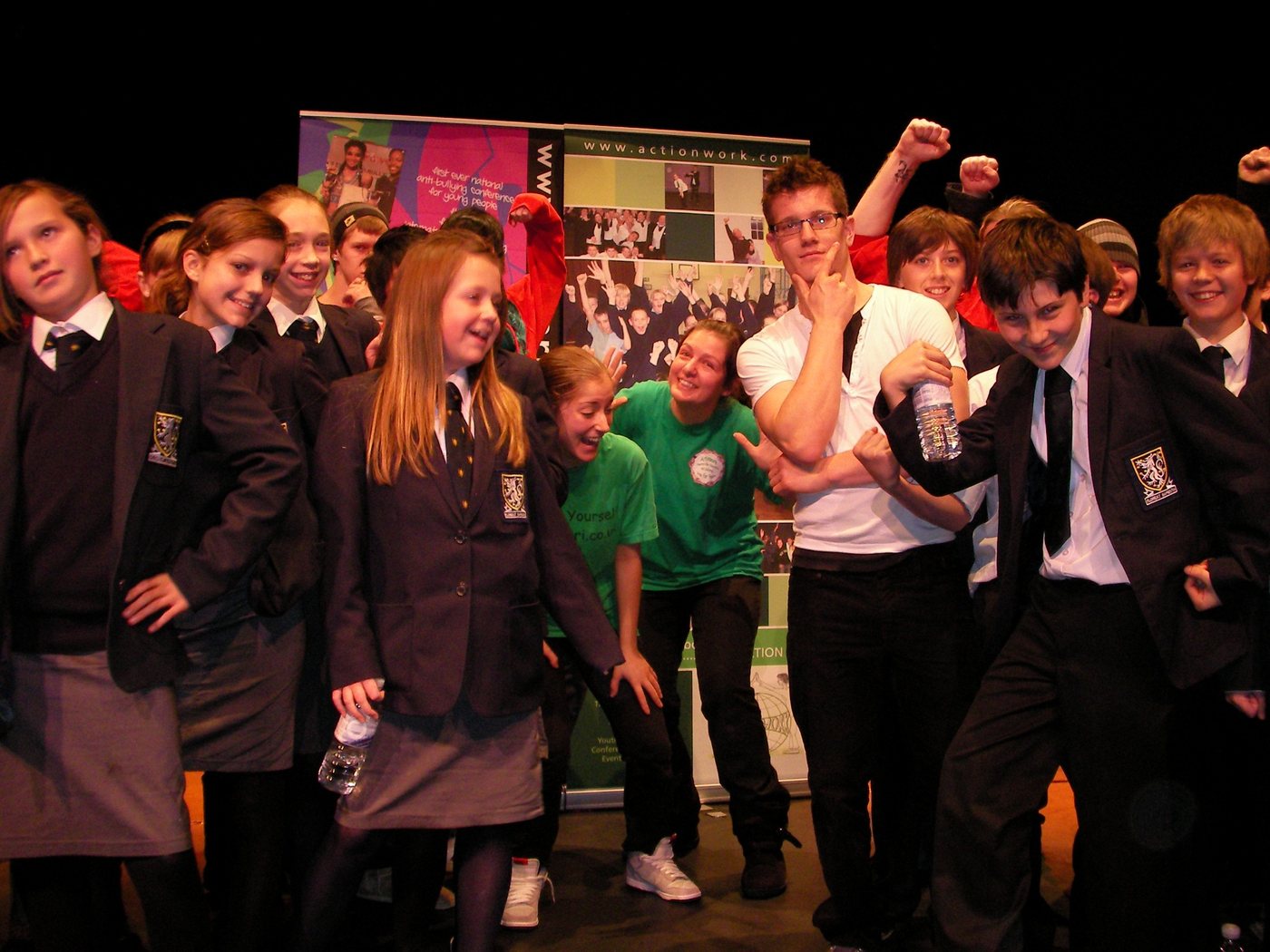
Young people have been peer supporters, researchers, organisers, campaigners, film makers, performers, workshop leaders and creators of their own anti-bullying approaches for many years. Some of that work became nationally visible. Some happened in individual schools and communities and was barely recorded. Our A history of anti bullying section explores more of that story and tries to preserve examples that might otherwise disappear.
Explore young people in the history of anti-bullying workThe question remains
I do not think all anti-bullying work has to be created with young people. There will always be occasions when adults create something for them, and sometimes that is entirely appropriate. But we should at least keep asking who has had a voice, who has influenced the work and whose understanding of bullying we are using.
For me, the question remains one of the most important in anti-bullying work:
Do we make anti-bullying work for young people, or with them?
Dr Andy Hickson, 2026.